
As winter approaches, you might find that your heating system struggles to keep your living space comfortable. Even when the thermostat is set to a high temperature, some rooms will feel colder than others. In addition, utility bills rise, and the furnace or heat pump seems to run constantly without producing enough warmth. Understanding why your heating system tends to struggle in cold weather will help you to manage inefficiencies, improve comfort, and prevent costly repairs.
Heating systems are complex, and there are many factors that can affect their performance in colder months. From inefficiencies in the system to thermostat miscalculations, knowing what the underlying reasons for this performance failure are will help you to be more proactive when it comes to furnace repair and replacement needs. This guide examines common reasons heating systems underperform in cold weather and offers practical solutions to keep your home warm throughout the season.
Heat Inefficiency: When Your System Has Trouble Keeping Up
One of the main reasons that your heating system may struggle during the winter is that it cannot create sufficient heat to match your home’s heat loss. Several factors can contribute to heat inefficiency, and when you can resolve them, it can help to create a more comfortable environment that costs you less to manage.
Older furnaces or heat pumps often lose efficiency as components wear down. Heat exchangers, blower motors, and burners that are not performing optimally can struggle to generate the amount of heat that your home requires. Even systems that once operated flawlessly can experience reduced output after years of use. Regular maintenance and timely component replacement can help maintain peak efficiency.
Ductwork plays an important role in delivering heat to your living space. Leaky ducts, poor insulation, or improperly sized ductwork will allow heated air to escape before it reaches you. In cold weather, these losses are more amplified. This results in uneven temperatures and forces your system to work harder to provide the same level of comfort. Proper duct sealing and insulation can greatly improve your system’s heating performance.
Outdoor temperatures affect the efficiency of heat pumps, which rely on ambient air to extract heat. In extremely cold weather, traditional air-source heat pumps may lose capacity, which will leave your home feeling underheated. Cold-climate models or hybrid systems paired with a furnace can help maintain comfort during harsh winters.
Uneven Heating: Rooms That Stay Cold
Even when your system is producing sufficient heat, some rooms may remain noticeably cooler than others. Uneven heating is another common winter frustration that often points to issues with airflow or insulation. Airflow problems can be a result of having closed vents or blocked registers. When airflow is slightly restricted, the heated air your system is creating cannot circulate evenly. Inspecting vents and making sure that pathways are not obstructed can help to improve heat distribution.
Insulation and window performance also play a role in heat distribution. Rooms with poor insulation, drafts, or older single-pane windows lose heat faster than well-insulated spaces. Cold spots near windows, doors, and exterior walls indicate that your home is losing more heat than the system can replace. Upgrading insulation or weatherstripping can reduce heat loss and improve heating efficiency.
Finally, your heating system zoning or balancing may need attention. In multi-level homes or those with long duct runs, a single-zone system can struggle to maintain even temperatures. Balancing dampers or adding zoning controls will allow the system to deliver the right amount of heat to each area, which can reduce cold spots and improve overall comfort.
Thermostat Issues: Your System Is Not Reading Correctly
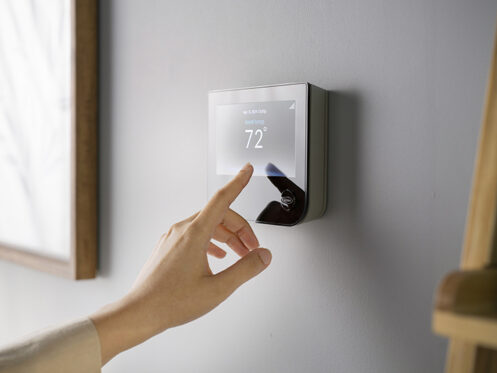
Thermostats are the command center for your heating system, but even the most advanced system will struggle if the thermostat isn’t accurate or optimally placed. Several thermostat-related problems can make your home feel colder than necessary. Temperature control devices located near drafts, direct sunlight, or exterior walls can misread indoor temperatures, causing the system to shut off prematurely or run when it is not necessary. Always make sure to have your thermostat installed in a central location.
Incorrect programming can also hinder efficiency. Manual thermostats or improperly set programs may not line up with your family’s schedule or desired comfort levels. For example, a thermostat set lower in the morning may not allow enough warm-up time before residents are active. Reviewing settings and ensuring your thermostat aligns with your daily routines can improve comfort and efficiency.
Older thermostats may lose accuracy over time. Temperature sensors and internal components can degrade with use. Upgrading to a modern device will give you better temperature control and remote access to make adjusting the temperature easier to manage.
System Maintenance: The Key to Winter Readiness
Many winter heating problems stem from neglected furnace maintenance. Scheduling an annual inspection before the cold snap helps to make sure that your system is operating efficiently and safely. During an inspection, our team will check your system for wear, test your airflow, and verify thermostat accuracy. Addressing these minor issues early will prevent them from becoming major problems during the cold months.
Changing or cleaning air filters regularly is another simple step. Dirty filters restrict airflow, forcing the system to work harder. For furnaces, make sure that your burners are clean and the blower operates smoothly. This will help to prevent uneven heating and inefficiency within your system. For heat pumps, clear outdoor coils and check refrigerant levels to keep your system performing optimally.
Energy Efficiency and Cost Implications
A struggling heating system will also drive up your energy bills. When the system runs constantly without heating the home, it uses more electricity or gas than necessary. Addressing inefficiencies and upgrading components will help to reduce the amount of energy your home consumes.
If you are looking for long-term savings, investing in energy-efficient furnaces, heat pumps, or hybrid systems can provide both comfort and cost reductions. Newer models often carry higher efficiency ratings and improved performance in cold climates. While the initial investment is greater, the return comes in the form of lower utility bills and fewer repairs.
When to Call a Professional
Persistent heating issues require attention from a reliable team. If your system produces uneven heat or fails to maintain set temperatures, it may require repairs or a full upgrade. Our team can find hidden issues with ease and inspect your system’s electrical components. We can also suggest energy-efficient solutions that will make your system more reliable. Schedule service early in the season to help keep emergencies from happening when the temperatures are colder.
Stay Warm and Efficient This Winter
Winter in the Williams Lake area can arrive suddenly, leaving you unprepared if your heating system isn’t ready. Heat inefficiency, uneven temperatures, and thermostat issues are common reasons your system struggles in cold weather, but most problems are preventable. At Burgess Plumbing Heating & Electrical Co Ltd, we have been providing heating and cooling services to the Williams Lake area since 1953, making us a trusted HVAC company in the area. Schedule an inspection today to make sure that you prepare your system for the cold weather.