
The cold hits fast, and pipes don’t always wait until it’s convenient to freeze. One overlooked hose or an unsealed crack can turn into a whole-home plumbing mess by morning. If you’ve never had a burst pipe, trust that it’s not something you want to experience once the deep freeze sets in. Burgess Plumbing Heating & Electrical Co Ltd is a top plumbing service in Williams Lake, BC, that helps homeowners stay ahead of winter by giving their plumbing system the seasonal attention it needs.
Insulate the Cold Corners of Your Plumbing
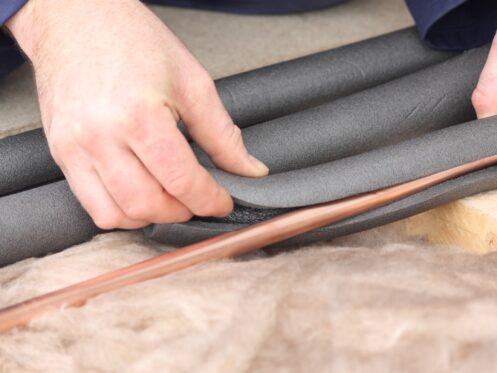
Some of the most vulnerable plumbing lines are in areas that often go unnoticed. Basements, crawlspaces, garages, and the backs of kitchen cabinets tend to get colder than the rest of your home. If those spaces have little or no insulation, your pipes don’t stand much of a chance during a temperature drop. You might not notice a frozen line until the flow slows down or the pipe bursts behind a wall. The simplest fix is pipe insulation, but it only works if you know which pipes need it.
That’s why it helps to bill early in the season and look for exposed lines in areas that stay colder. Pay attention to outdoor walls, utility rooms, and those random spots near unsealed vents or windows. Some people also keep cabinet doors open under the sink during cold snaps so the warmer indoor air can flow in.
Stop Drafts Before They Trap Cold Air
Air leaks are the silent setup for frozen plumbing. All it takes is one draft sneaking into a wall cavity, attic, or underfloor void to surround a pipe with freezing air. That pipe doesn’t need to sit outdoors to freeze. It needs to sit still while cold air makes its way in. Dryer vents, hose bib penetrations, utility line entries, and old door frames are all common culprits.
You’ll feel the cold air when you’re near those spots. This is especially true early in the morning or late at night, before the indoor heating warms the area. Spray foam or weatherstripping can close the gaps, and it doesn’t take much time to do a walkthrough. Bill spots where water pipes connect to the outside or run near exterior walls. A little draft sealing now saves you from a burst pipe cleanup later.
Drain and Disconnect Outdoor Fixtures
Leaving a hose attached through winter might not seem like a big deal until it’s frozen solid. Water stuck inside that line freezes and expands, which sends pressure back into the fixture and the pipe inside the wall. That’s one of the most common causes of burst outdoor lines. Start your winter prep by disconnecting all hoses and storing them somewhere dry. Then, bill the faucets. If they’re not frost-free spigots, you’ll want to shut off the water supply inside and open the tap to let any remaining water drain.
Some houses have an indoor shutoff valve for exterior spigots. It’s usually near the main line or the basement ceiling. If yours doesn’t, it might be worth having one installed before the cold gets worse. Draining outdoor lines is one of the quickest and most impactful things you can do for winter.
Inspect Indoor Shut-off Valves
If a pipe bursts, your shut-off valve becomes your first defense. The problem is, many people don’t know where theirs is or whether it still works. Neglecting valves for years can cause them to seize up, crack, or develop leaks over time. Take a few minutes to locate your main shut-off and any secondary valves near fixtures like sinks, tubs, or outdoor lines.
Turn each valve off and back on to see how it feels. A stiff or corroded handle needs attention before it locks up completely. If your main shut-off is behind a panel or low to the floor, bill the area around it for signs of past leaks. Moisture stains or mineral buildup could mean a slow leak that was never addressed. Servicing or replacing these valves now can prevent big emergencies later.
Protect Sump Pumps and Basement Lines
Basements deal with more than cold air in the winter. If your sump pump fails, you could face a flooded lower level as snow melts and groundwater rises. Before freezing temperatures arrive, write your sump pump. Pour a bucket of water into the pit and watch the pump cycle. If it doesn’t turn on right away or makes a strange noise, it’s time for maintenance or replacement.
While you’re down there, bill any water lines that run through basement ceilings or along exterior walls. These pipes are especially vulnerable if the insulation around them has shifted or thinned. In older homes, you might find copper lines running a few inches from a window with a poor seal. That’s a freeze waiting to happen. Even wrapping those pipes with simple foam insulation can make a difference during a cold snap.
Watch for Plumbing Fatigue in Kitchens and Baths
Winter holidays mean guests, big meals, and heavier water use. Your kitchen sink, dishwasher, and washroom fixtures all get a workout once the season picks up. That increased use can expose slow drains, aging pipes, and loose connections. Run each tap and fixture to bill for slow drainage or odd sounds.
Gurgling could mean a partial blockage in your drain or vent line. Under-sink pipes sometimes shift out of place after years of use, especially in cabinets with minimal support. Look for signs like corrosion at the joints, mineral deposits on the pipe, or a faint mildew smell. Tightening a loose trap or fixing a bad drain line can stop bigger problems. This is especially important when your system is working hard because of added guests during the holidays.
Keep an Eye on Water Heater Health
Your water heater works harder during the cold months. The colder the incoming water, the longer the heater runs to bring it to temperature. If your heater already struggles or has sediment buildup, it might not keep up when your household’s hot water demand spikes. Bill the tank for signs of trouble, like moisture at the base, rust around the fittings, or popping noises when the unit heats.
These can all point to sediment blocking the burner or elements. Draining a few gallons from the tank helps flush out buildup and gives you a chance to bill the water color. Cloudy or brownish water signals rust or mineral issues inside the tank. Don’t ignore the pressure relief valves either. They protect your system during extreme heat cycles, and testing them once a year keeps that safeguard intact.
Save Your Pipes and Avoid Freezing Today
Winter plumbing issues rarely start with dramatic warning signs. They creep in through slow leaks, leftover water, and cold air slipping past old insulation. Stay ready to prevent frozen pipes, shield outdoor fixtures, and inspect your system before harsh weather arrives. Drain cleaning, insulation checks, and leak detection are all part of staying ready.
Schedule your winter plumbing inspection with Burgess Plumbing Heating & Electrical Co Ltd today. Don’t let the next cold snap catch you off guard!